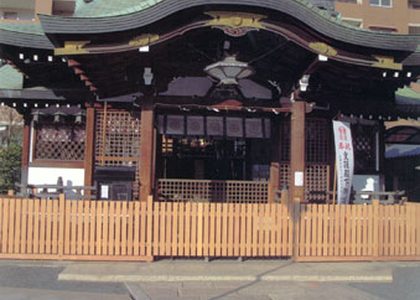
Tensha Shrine

Tensha Shrine. Observing the qi of Heaven, understanding the order of Earth, and opening the way of human life.

Observing the qi of Heaven.
Understanding the order of Earth.
Opening the way of human life.

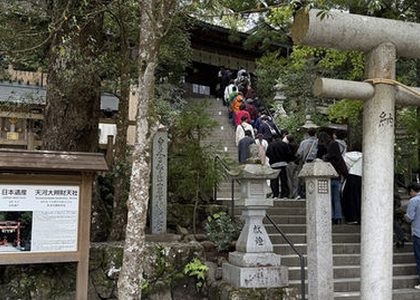
Tensha Shrine is located in Natasho, Oi Town, Fukui Prefecture.

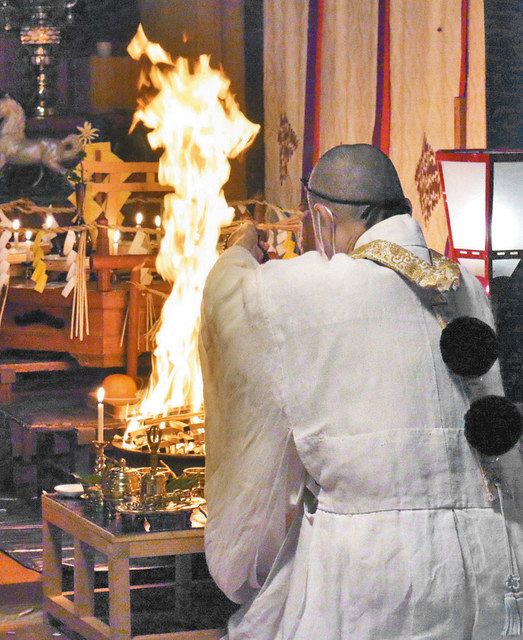
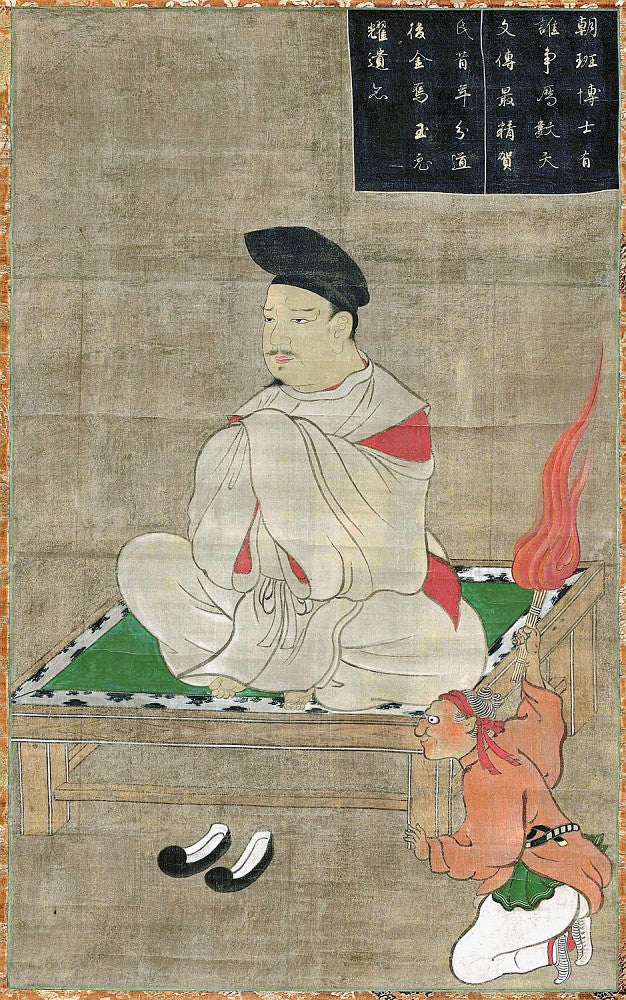
It enshrines Taiitsu, the source of divine qi, and carries on the rites of Onmyodo and the art of calendar-making transmitted through the Abe and Tsuchimikado families.

Through rites and the calendar, we receive the movements of Heaven and the changing seasons, and pray for harmony between Heaven, Earth and human life.

Calligraphy of “Taiitsu,” offered to Tensha Shrine through the Tsuchimikado family’s connection with Ise.

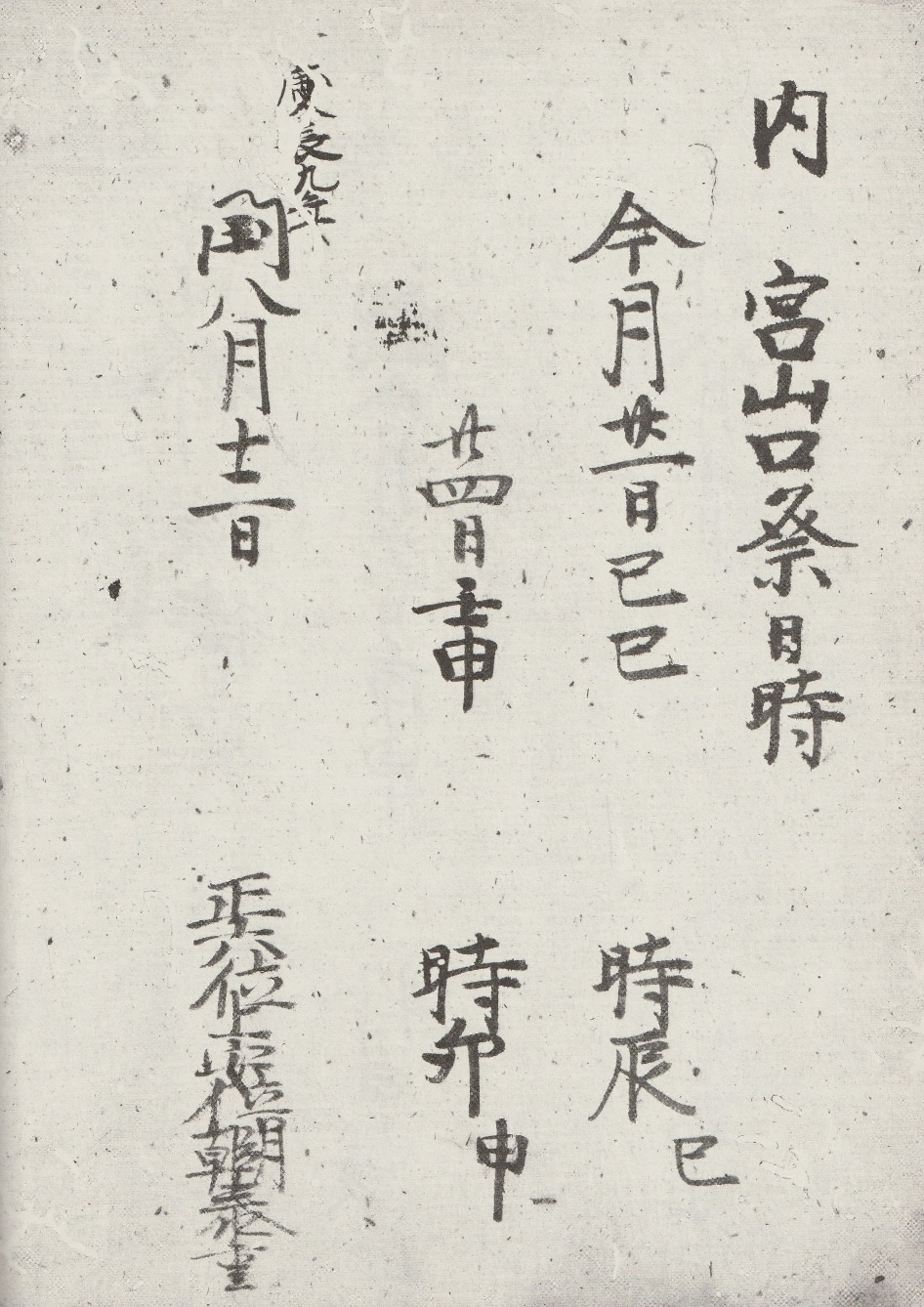
Abe no Seimei Calendar The Abe no Seimei Calendar is prepared at Tensha Shrine according to methods transmitted since the time of Abe no Seimei. Its calendrical rules, selection of days and interpretations therefore differ from ordinary calendars.

It is presented to historic shrines and temples across Japan and serves both in setting ritual dates and as a guide for daily life.

Shrines and Temples Receiving Our Calendar

Our calendar is presented through the distribution offices of each shrine and temple as their own ritual calendar. The following are some of the sacred institutions connected with us.

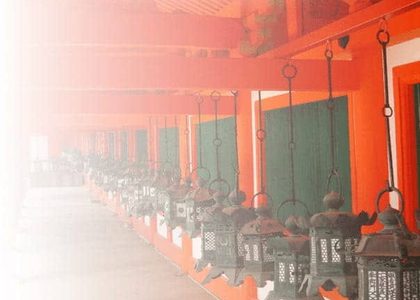
  • Kasuga Taisha Shrine Kasuga Taisha Shrine A grand shrine in the sacred precincts of Mount Mikasa, representing the ancient capital of Nara.
  • Hiyoshi Taisha Shrine Hiyoshi Taisha Shrine A grand shrine of Sanno worship at the foot of Mount Hiei, revered for protection from unlucky directions and misfortune.
  • Mishima Taisha Shrine Mishima Taisha Shrine An ancient shrine revered as the foremost shrine of Izu Province and associated with Minamoto no Yoritomo.
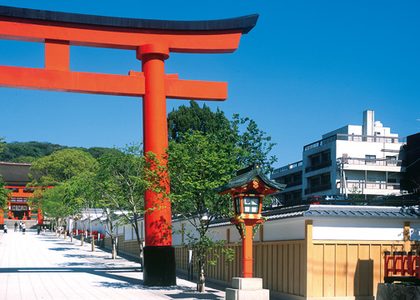
  • Fushimi Inari Taisha Fushimi Inari Taisha A grand shrine on Mount Inari at the heart of Inari worship throughout Japan.
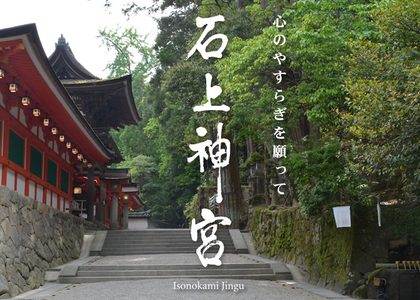
  • Isonokami Jingu Shrine Isonokami Jingu Shrine An ancient shrine in Furu, Yamato, preserving the tradition of worship associated with sacred swords.
  • Dewa Sanzan Shrine Dewa Sanzan Shrine A shrine preserving the mountain faith of Mount Haguro, Mount Gassan and Mount Yudono.
  • Kifune Shrine Kifune Shrine A shrine venerating the deity of water and passing on reverence for the source of life.
  • Kurama-dera Temple Kurama-dera Temple The head temple of Kurama Kokyo, preserving a path of prayer and ascetic practice on Mount Kurama.
  • Seimei Shrine, Kyoto Seimei Shrine, Kyoto A Kyoto shrine venerating Abe no Seimei, revered for prayers and protection from misfortune.
  • Abeno Oji Shrine Abeno Oji Shrine An Osaka shrine on the Kumano Kaido associated with the historic Kumano Ninety-nine Oji.
  • Abe Monju-in Temple Abe Monju-in Temple An ancient temple associated with the Abe clan, with the National Treasure Monju Bosatsu as its principal image.
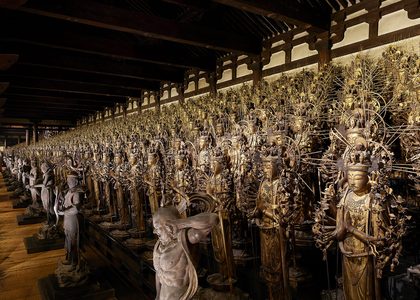
  • Sanjusangen-do Temple Sanjusangen-do Temple The main hall of Rengeo-in in Kyoto, renowned for its one thousand statues of Thousand-armed Kannon.
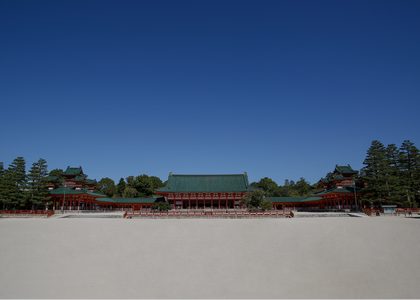
  • Heian Jingu Shrine Heian Jingu Shrine A shrine commemorating the relocation of the capital to Heian-kyo and cherished by the people of Kyoto.
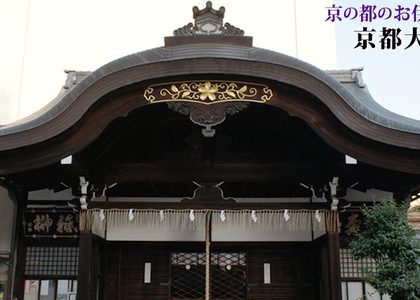
  • Kyoto Daijingu Shrine Kyoto Daijingu Shrine A shrine of Ise faith preserving the tradition of worshipping Ise Jingu from Kyoto.
  • Kyoto Ebisu Shrine Kyoto Ebisu Shrine Kyoto’s beloved “Ebessan,” revered in Ebisu worship for prosperity in business.
  • Gasshu Shrine Gasshu Shrine A community shrine in Sakai preserving the Kagura lion procession of its summer festival.
  • Ichi Shrine Ichi Shrine An ancient shrine in Hikami, Tamba City, held in deep reverence throughout western Tamba.
  • Ibaraki Shrine Ibaraki Shrine The guardian shrine of Ibaraki, preserving the community’s festivals and faith.
  • Nyakuichi Shrine Nyakuichi Shrine A shrine for good fortune and success on the former site of Nishi-Hachijo Palace, associated with Taira no Kiyomori.
  • Hontaki-ji Temple Hontaki-ji Temple A temple on Mount Nose Myoken preserving traditions of prayer, waterfall austerities and temple lodging.
  • Hakusan Shrine Hakusan Shrine A shrine carrying on the Hakusan faith and revered as the guardian shrine of its community.
  • Jingu-ji Temple Jingu-ji Temple An ancient temple associated with the union of Shinto and Buddhism, preserving the water-sending rite that links Wakasa and Nara.
  • Tenkawa Daibenzaiten Shrine Tenkawa Daibenzaiten Shrine The principal sanctuary of Omine, venerating Benzaiten and preserving faith connected with the performing arts and water.
  • Jinja Honkyo Jinja Honkyo We present the calendar to its affiliated shrines, including Kifune Shrine, for use in Shinto rites.
The kami gain dignity through people’s reverence, and people gain fortune through the virtue of the kami.

People and the kami are joined through reverence and divine virtue. Your encounter with Tensha Shrine may also be one of the bonds brought forth by Taiitsu.

When you look to the northern sky, you see the unmoving North Star and the Big Dipper circling it—forms associated with Taiitsu. The northern sky can be seen from any land; that moment of looking upward is itself a form of prayer.

We pray before Taiitsu that everyone may form good bonds with the kami of Heaven and Earth and walk a path of blessing and good fortune.